


Drone and Pole Camera Roof Surveys
Safer inspection of roofs, chimneys and inaccessible building areas
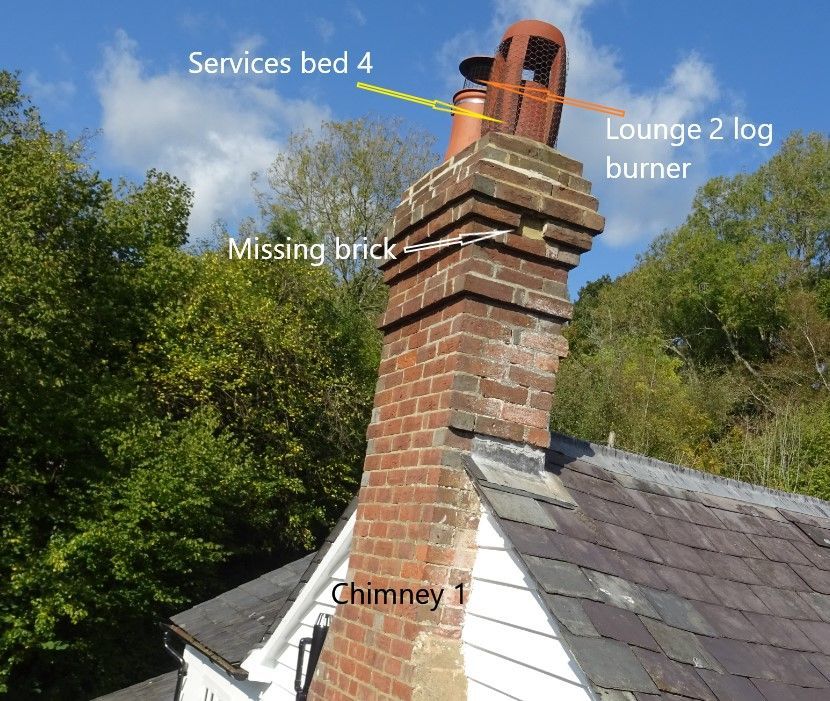
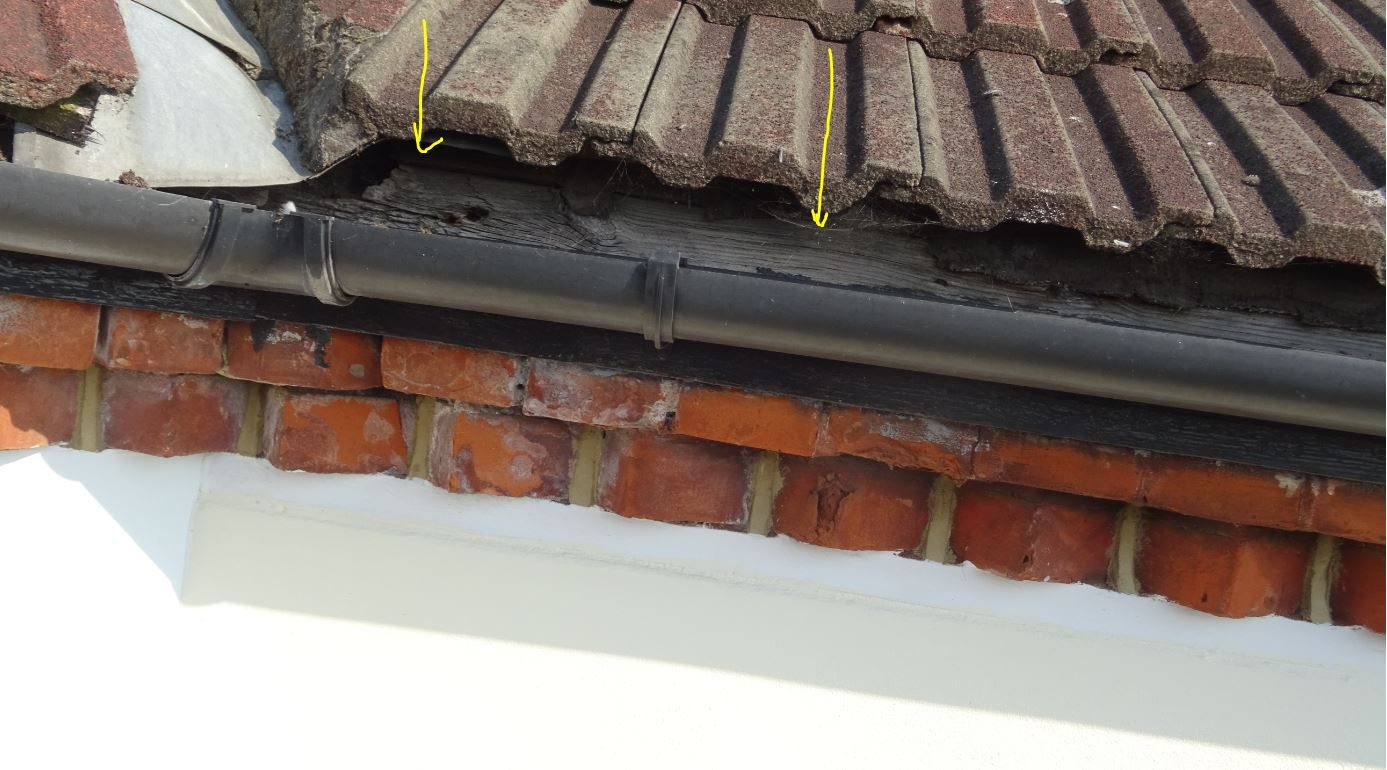
Drone and pole-camera inspections provide detailed photographs of roofs, chimneys, gutters, valleys and other areas that cannot be adequately viewed from ground level.
The most appropriate method is selected according to the property, access, weather conditions and surrounding restrictions. The photographs can support a building survey, roof survey or investigation of a particular defect.
Related Projects
Related Projects


Drone and Pole Camera Roof Surveys
Safer inspection of roofs, chimneys and inaccessible building areas
Introductory text
Drone and pole-camera inspections provide detailed photographs of roofs, chimneys, gutters, valleys and other areas that cannot be adequately viewed from ground level.
The most appropriate method is selected according to the property, access, weather conditions and surrounding restrictions. The photographs can support a building survey, roof survey or investigation of a particular defect.
High-Level Building Inspections
Defects affecting roofs and other high-level areas are frequently concealed from normal ground-level inspection. Drone and pole-camera equipment can provide closer views of materials and details without automatically requiring scaffolding or other expensive access arrangements.
Areas That Can Be Inspected
- Pitched and flat roofs
- Chimneys and flaunching
- Roof valleys and abutments
- Gutters and rainwater outlets
- Parapets and coping stones
- Dormers and rooflights
- High-level render and masonry
- Inaccessible timber details
- Suspected storm or impact damage
Drone or Pole Camera?
Drone inspection
A drone is particularly useful for obtaining an overview of larger roofs and inspecting areas that cannot be reached from within the property. Operation remains subject to suitable weather, airspace, privacy and safe flying conditions.
Pole-camera inspection
A pole camera is useful where the building is relatively low or where drone operation is unsuitable. It can provide close-up photographs of gutters, roof edges, valleys, chimneys and adjoining details.
Reporting
Photographs are reviewed as part of the inspection, with visible defects identified and explained in the resulting report. Recommendations can be provided for maintenance, further investigation or repair.
Limitations
Drone and pole-camera inspections record visible external conditions. They do not expose concealed construction and may not establish the full extent of a defect where materials overlap or internal access is unavailable.